The Tyranny of the Limited Series
Eight hours is the new two. Prestige television has forgotten how to end, mistaking runtime for rigor and a sequel option for a real conclusion.
Criticism worth arguing with: screens, stages, plates, objects.
Eight hours is the new two. Prestige television has forgotten how to end, mistaking runtime for rigor and a sequel option for a real conclusion.
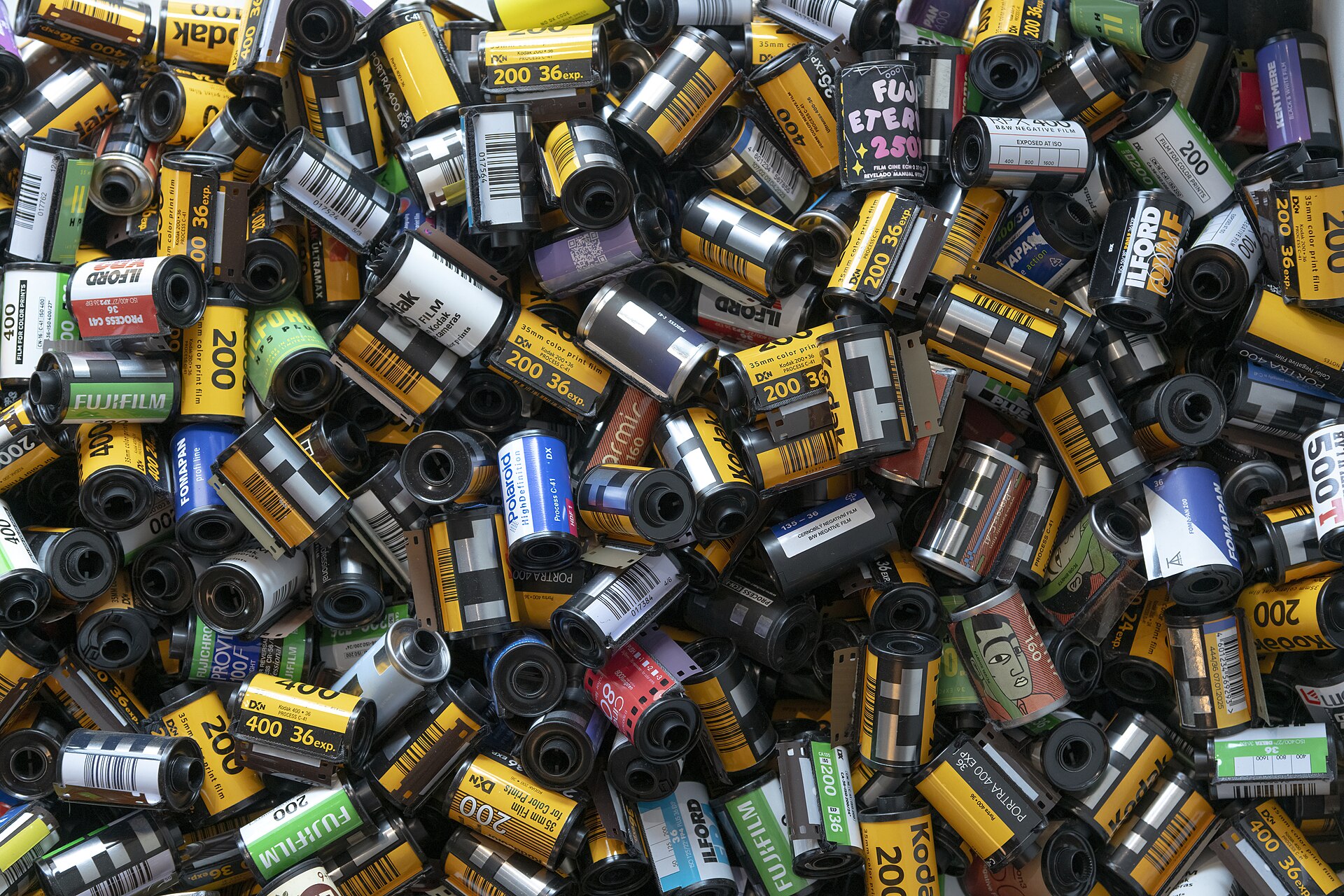
The grain is the point. On nostalgia, scarcity, and the fourteen-dollar roll of Portra, and what a generation raised on infinite digital photos is really buying back.
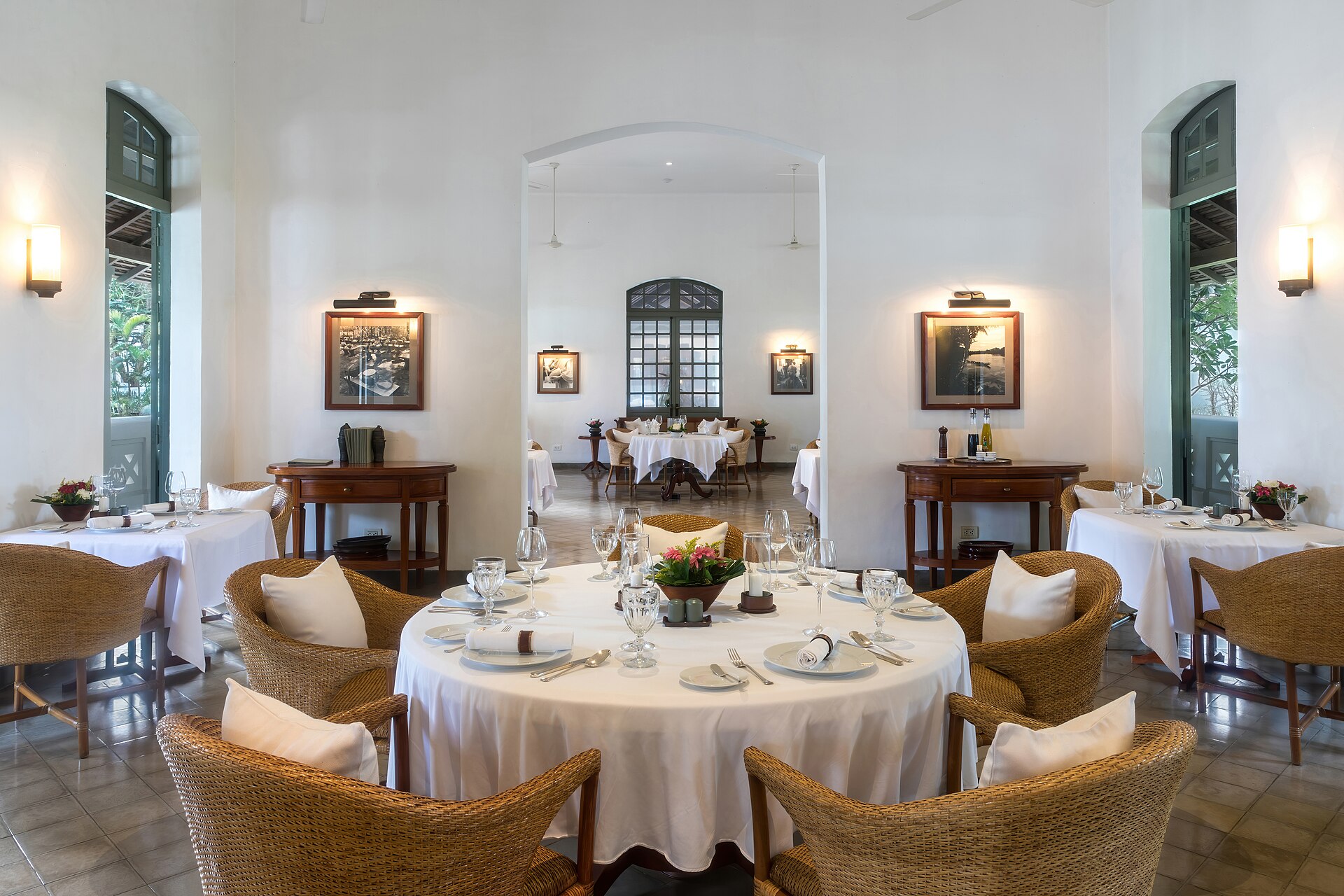
The critics lost their expense accounts. The algorithm gained a palate. Between a vanishing institution and an indifferent aggregate, dinner hangs in the balance.
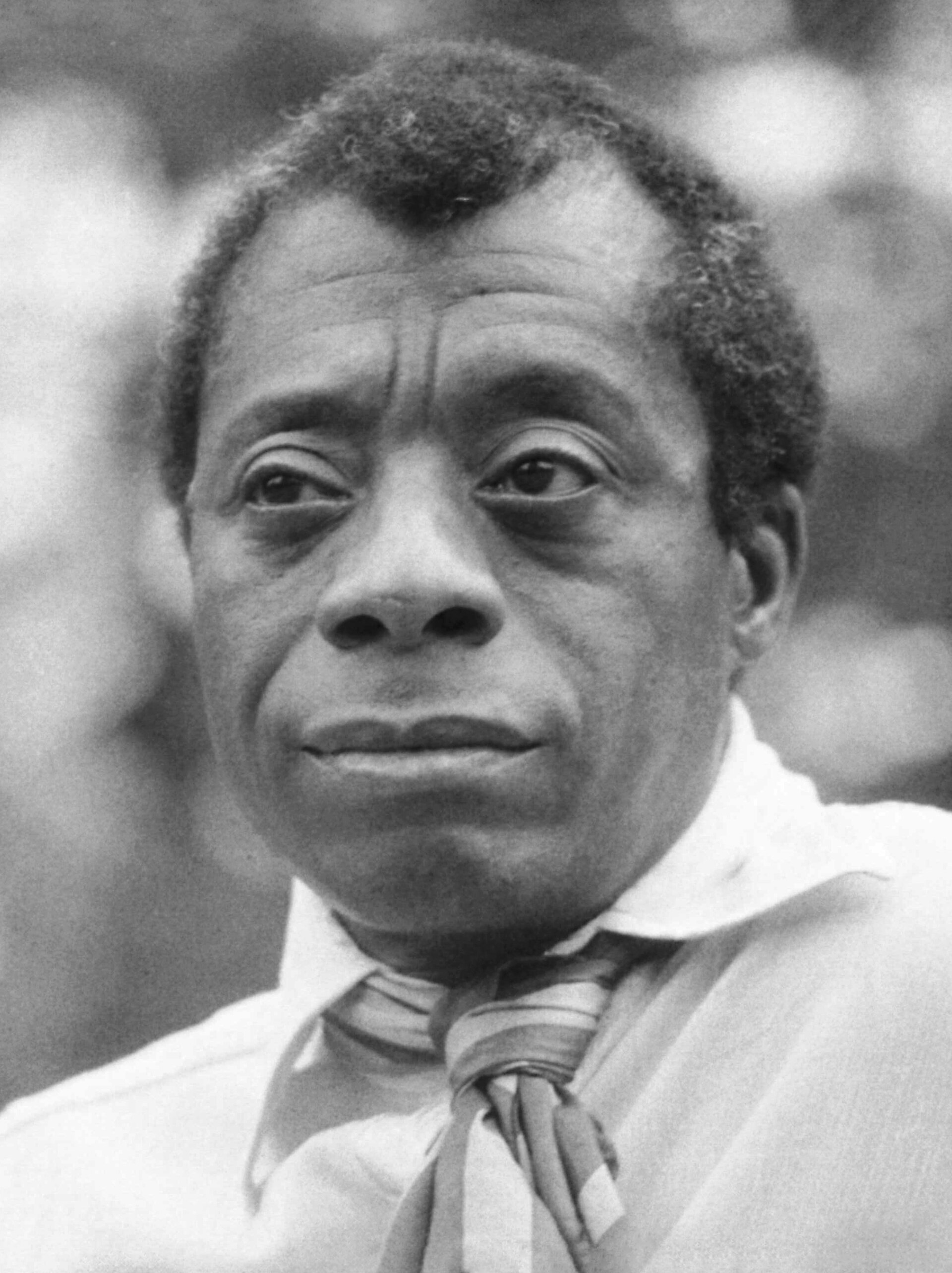
The essays were written for a slower world. Reread now, against the scroll, Baldwin’s prose moves faster than almost anything produced for a screen.
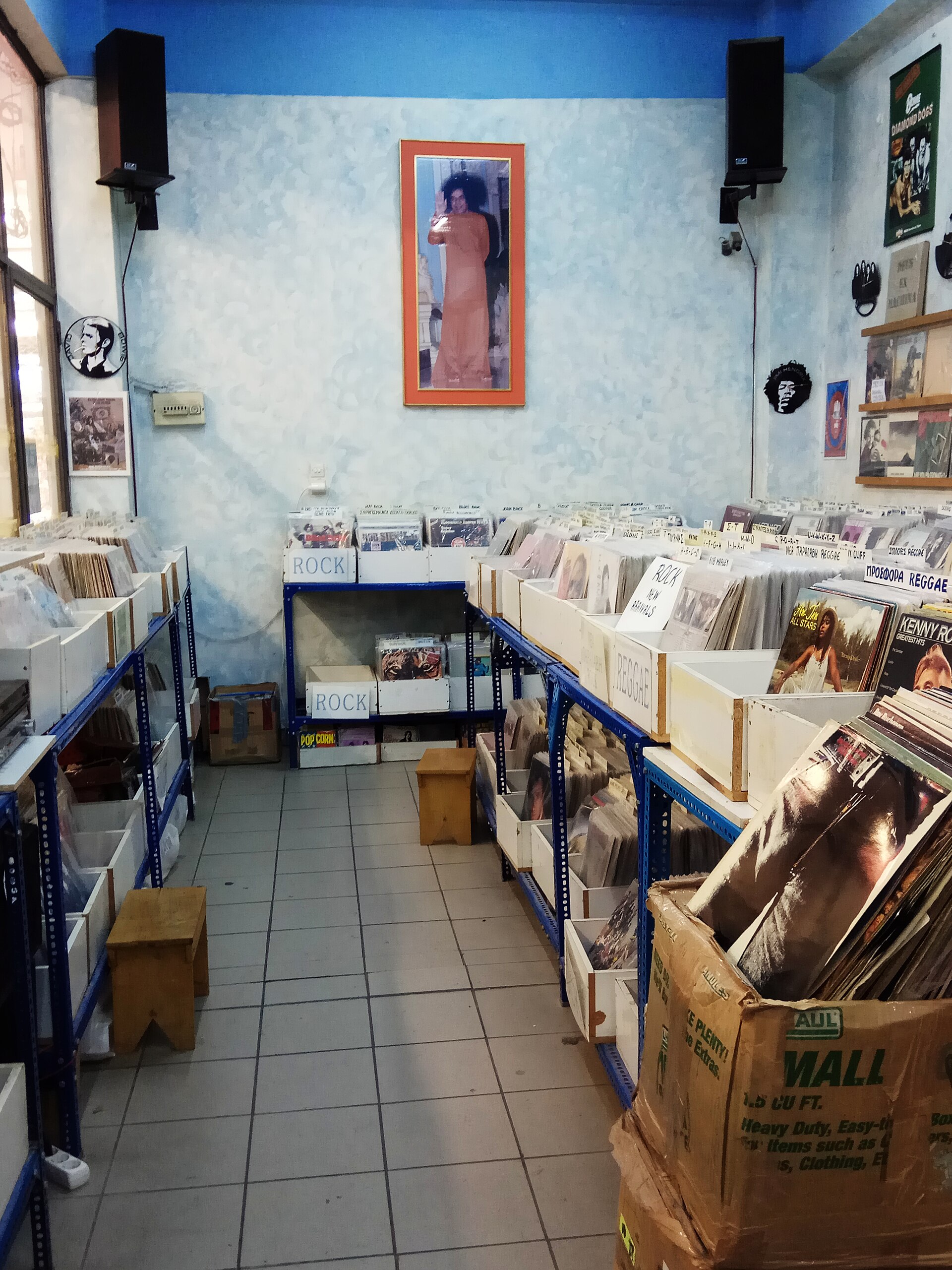
Records outsold CDs again, for the fourth year running. Most of what got pressed will never touch a turntable, and the supply chain was not built for this much demand.
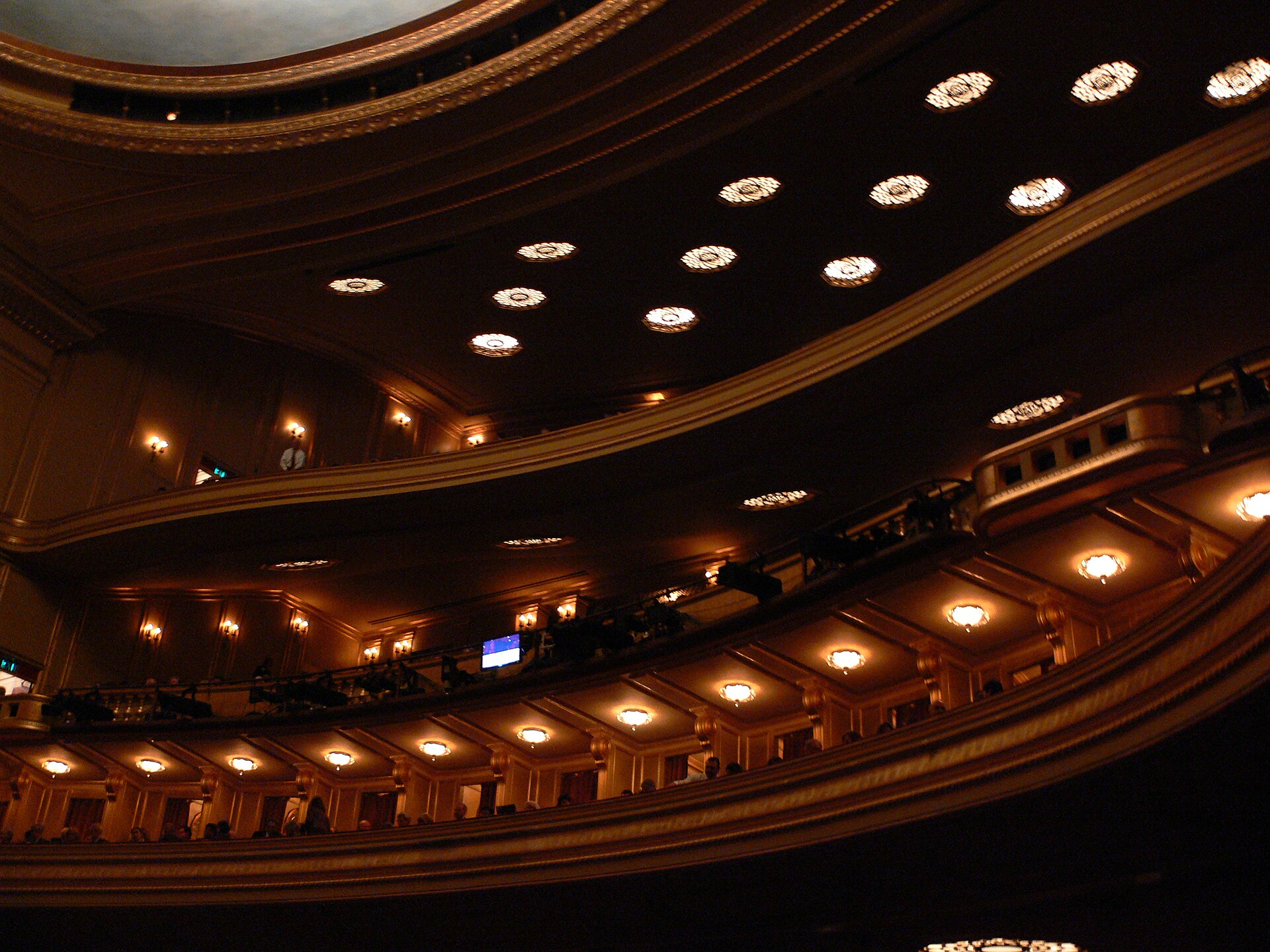
Forget the tuxedos. Start with the death scenes. A defector’s guide to the most extreme art form we have, and why its refusal to look away is the whole point.

You exit through it for a reason. On postcards, tote bags, and the souvenir theory of art: the gift shop isn't an afterthought to the museum experience, it's the argument the museum has been making all along.
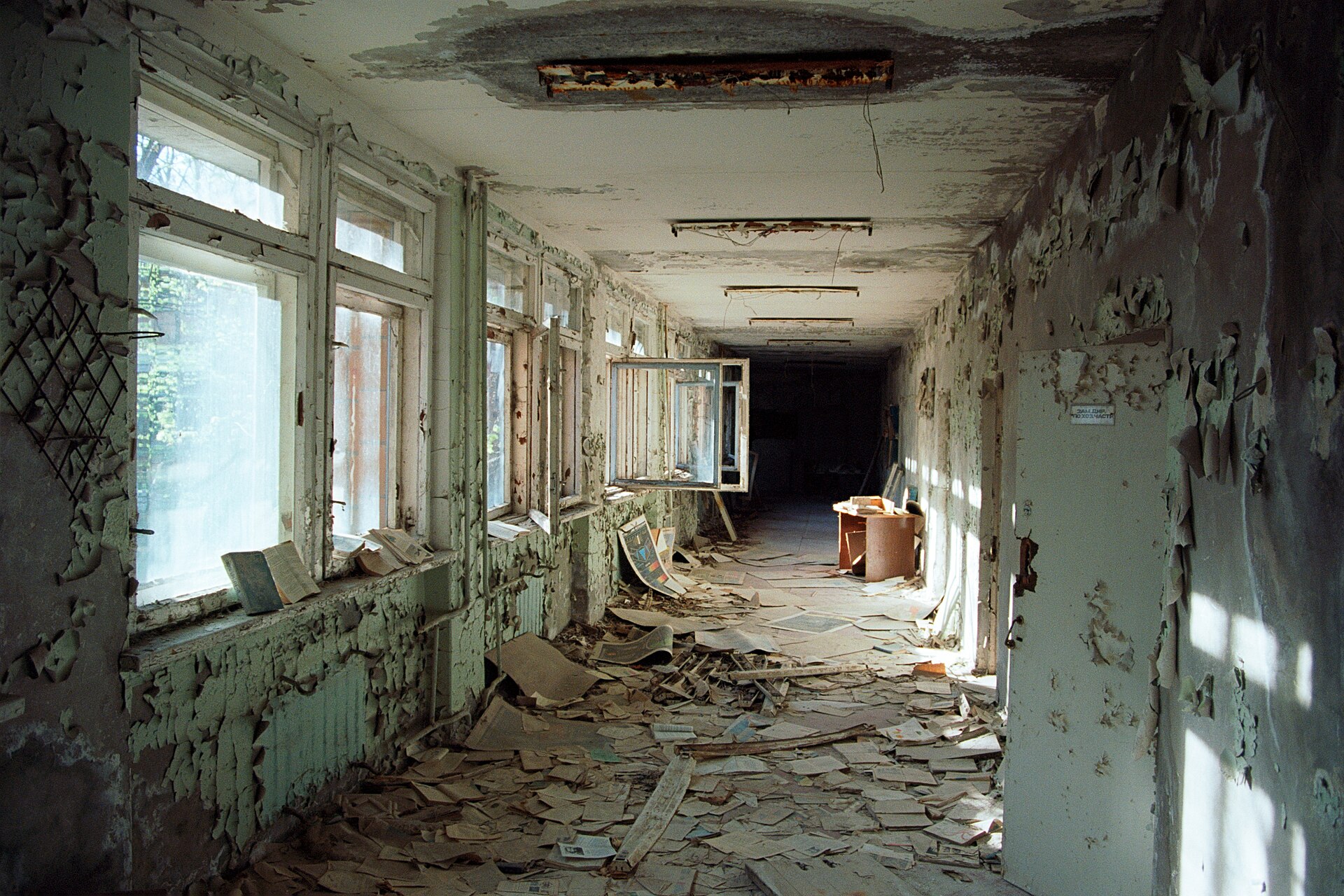
The monster is trauma now. It was scarier when it was a monster. A case against the genre's decade-long turn toward grief metaphors, elevated dread, and the slow disappearance of the thing in the room.
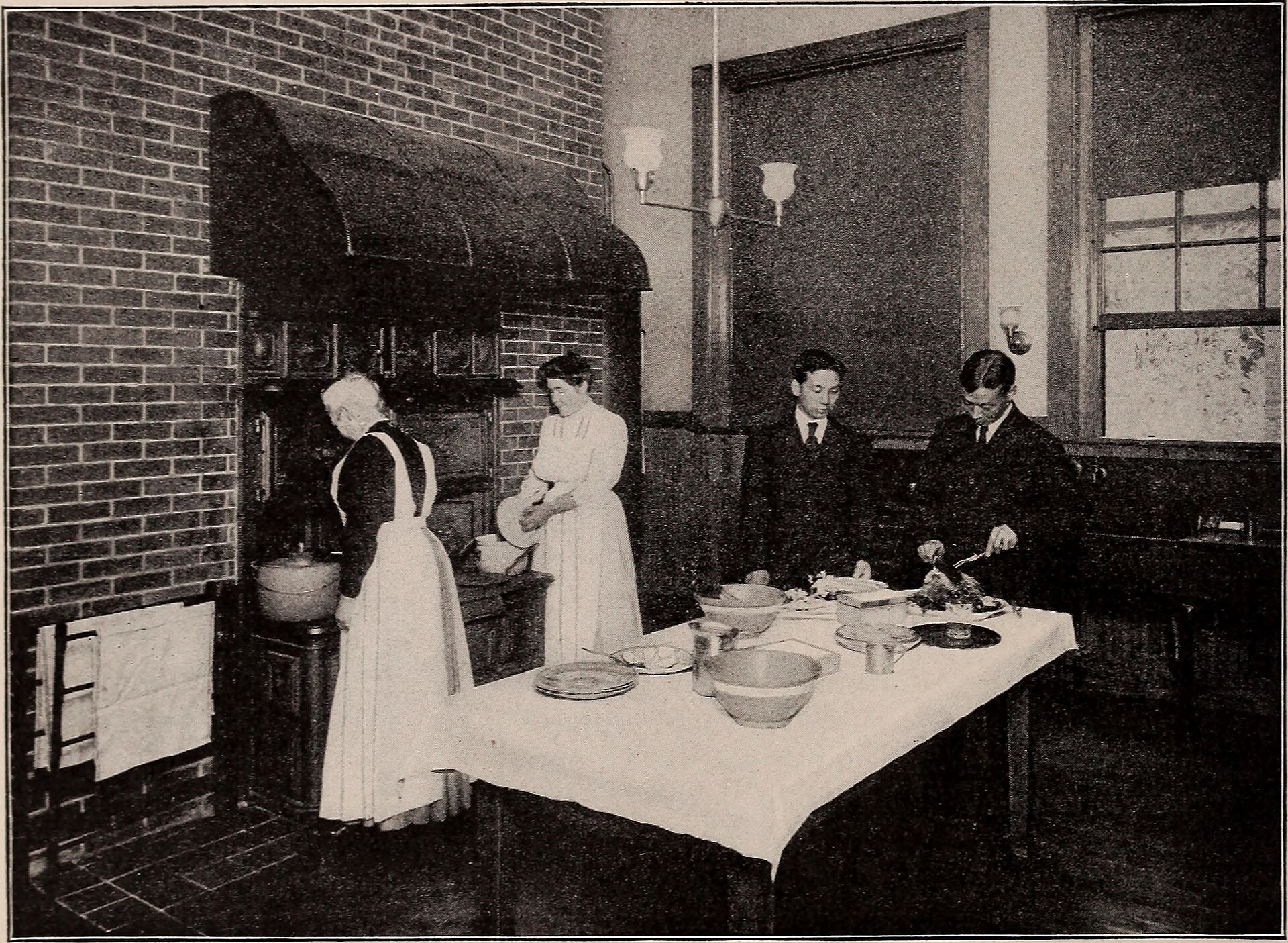
Four thousand new cookbooks a year, and nobody is cooking from any of them. On the strange afterlife of the cookbook as a genre that has stopped being about cooking.